 Julia Steinaway
Understanding Where Hematology Variability Begins: Pre-Analytical vs Procedural Factors
Ethos Biosciences supports laboratories by providing stains and reagents that help clearly visualize and confirm analyzer results during manual...
When procedural failures occur in hematology, they often present as small inconsistencies, such as smears that look slightly off, platelet counts that do not align with clinical expectations, or variations in staining that prompt technicians to take a second look. In a laboratory environment, these moments can slow down processes and analysis. They can also create uncertainty and demand more time, which teams typically don’t have (especially on a day when three STAT samples arrive at once, the analyzer decides to throw a flag, and the break room coffee levels are critically low).
 At Ethos Biosciences, we develop high-quality reagents, dyes, buffers, and ELISA kits designed to support reliable laboratory performance. Dependable products are foundational for labs where accuracy and repeatability matter every day. We regularly work with customers to identify and correct procedure-based challenges, helping laboratory teams evaluate workflows and determine where variability may have entered the process.
Hematology testing depends on intact blood cells, as elements like size, shape, and the number of cells present in a sample are driving factors behind sample interpretation. Any small disruption to the cellular structure of a blood cell can influence how results are understood. Unlike many chemistry-based tests, hematology does not have the privilege of relying solely on numerical output. Physical changes to cells often look similar to disease-related abnormalities, which makes procedural consistency especially important.
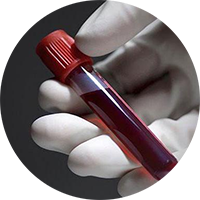 In a perfect world, specimens would move directly from collection to analysis without delay or possible environmental stress; however, laboratory workflows rarely operate under perfect conditions. Whether it's a large amount of samples being delivered at once, or multiple handoffs between techs, or even delays in transport systems, these issues can occur long before a slide is reviewed. Interpretation also involves both instrumentation and human assessment, which means that reliability depends not only on measurement, but on how well the specimen was preserved along the way.
When abnormal findings appear, the task shifts from detection to evaluation. Questions like “Is the abnormality biological, or procedural?” have to be asked, as that distinction carries weight and will determine how techs can proceed. There is also a chance that true pathology can be overlooked, and that creates a huge risk, but there are also consequences if the specimen is mishandled and mistaken for disease. Structured troubleshooting begins with understanding where variability can occur, how it presents, and which factors can realistically be addressed.

Reliable hematology results depend on consistency across every stage of the workflow, from collection and preparation to staining and interpretation. When variability appears, identifying whether the source lies in handling, instrumentation, or materials becomes essential to maintaining confidence in results.
If you’re navigating a procedural question or simply want a second set of scientific eyes on a challenge, our technical team is here to help.
Ethos Biosciences supports laboratories by providing stains and reagents that help clearly visualize and confirm analyzer results during manual...
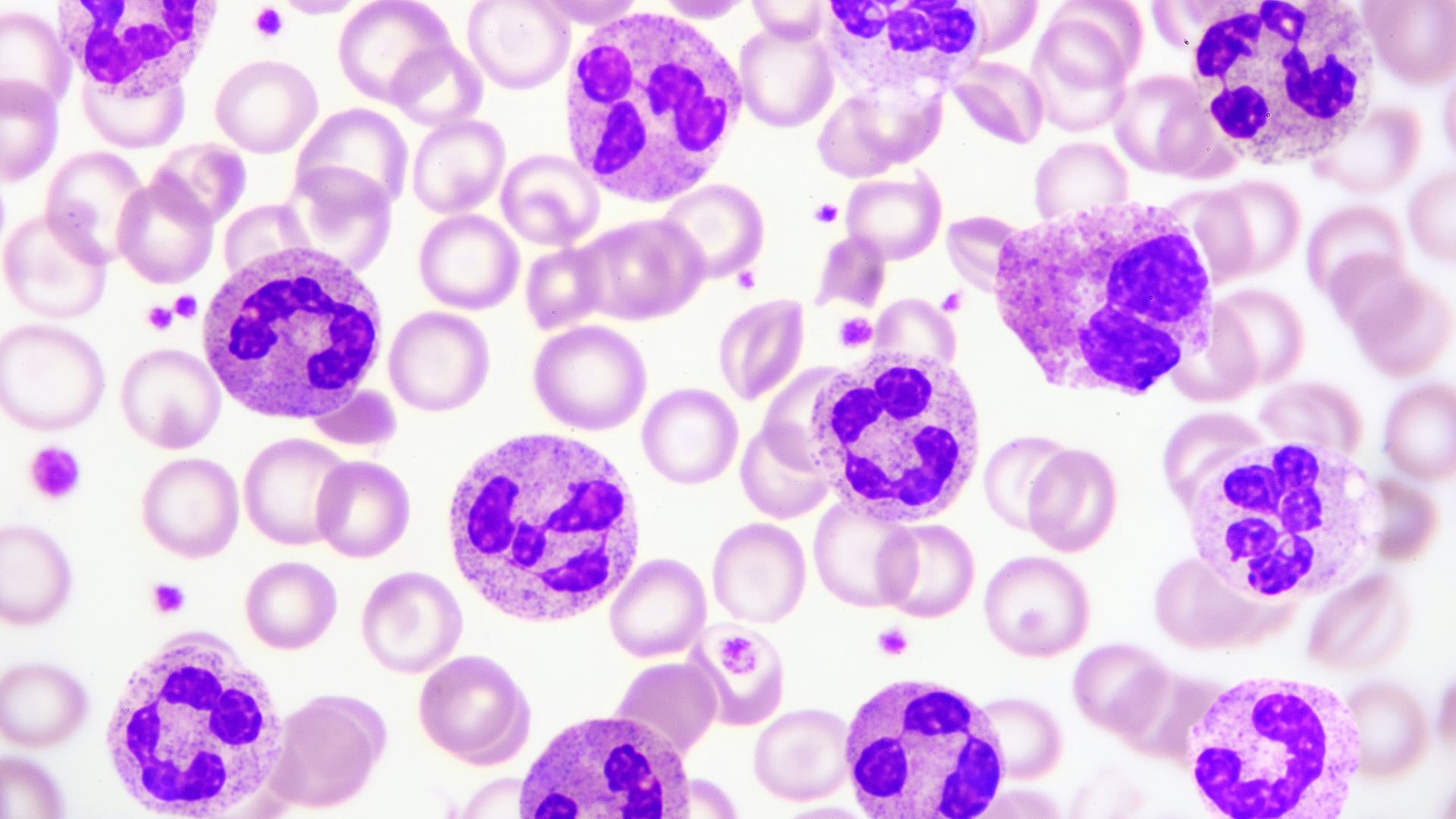
Discover what causes buffer pH drift in hematology staining and how water quality, evaporation, storage, and contamination affect blood smear results.
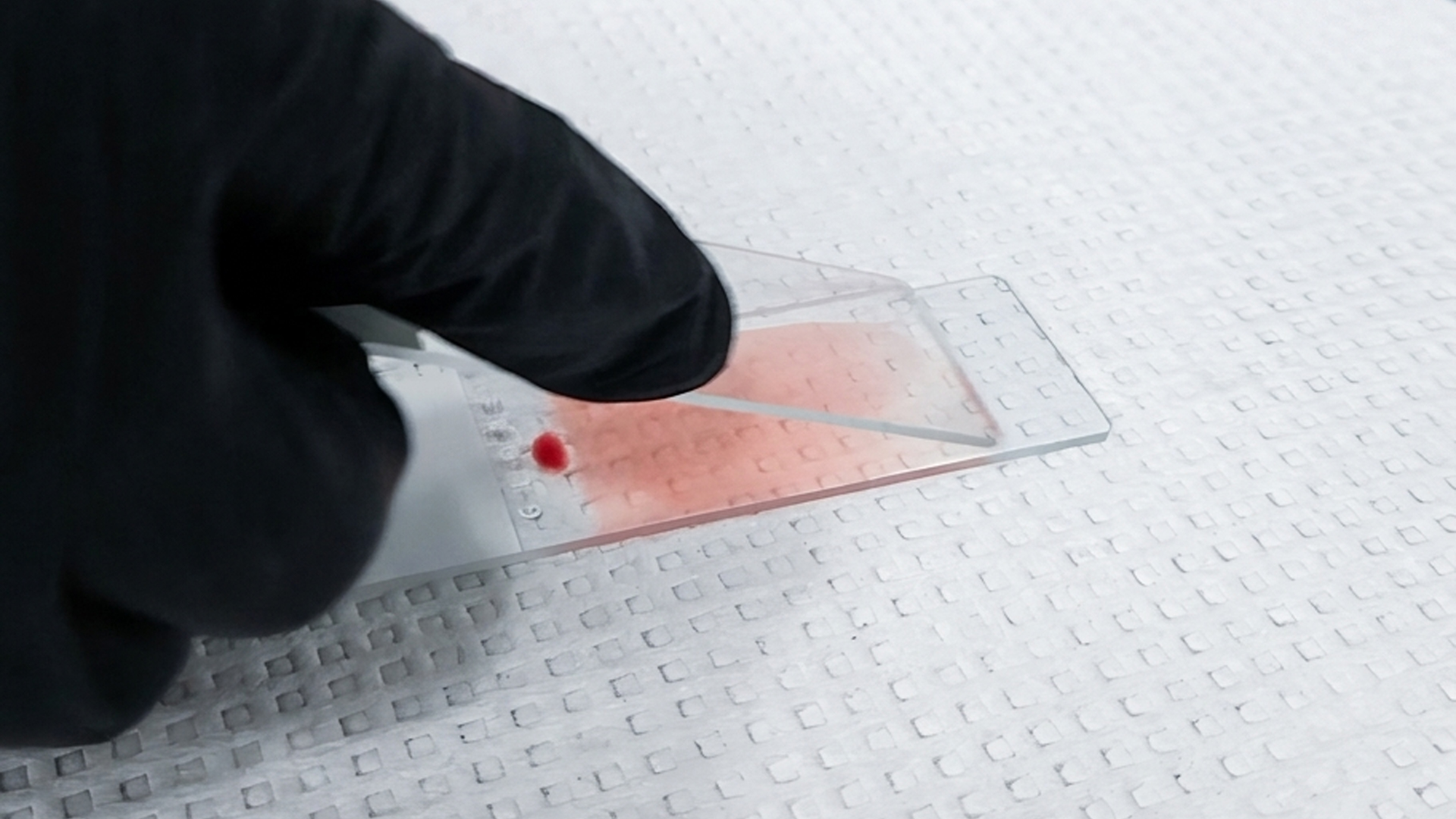
In hematology labs, accuracy and efficiency are critical. When processing blood smears, professionals need a staining solution that delivers...