services
Immunoassay Development:
ELISA Kit Development & Manufacturing
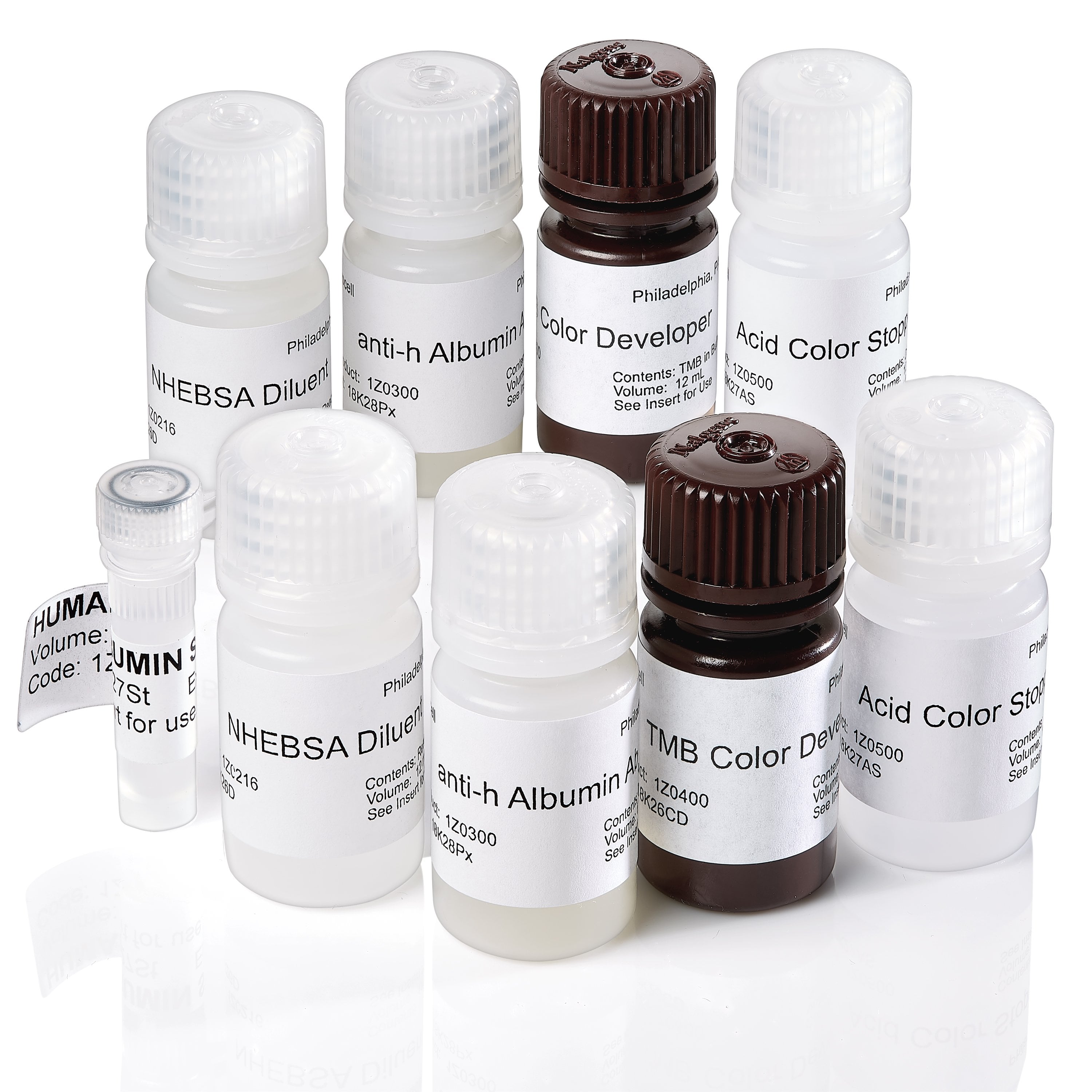
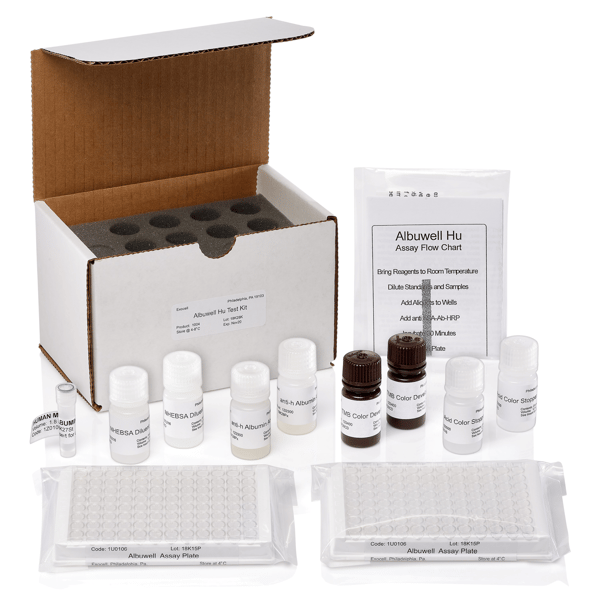
ELISA-based kits are typically developed and manufactured for testing environments where precision and accuracy matter more than portability. Ethos Biosciences supports this work by taking assays from early-stage concepts or partially developed formats and building them into a plate-based system that is production-ready.
Rather than separating development from manufacturing, both can be handled within the same Ethos Biosciences facility. This helps keep decisions around assay design, reagent preparation, and kit assembly tied to how the product will actually be produced.
Ethos has over 40 years of combined experience working with ELISA formats across clinical, environmental, and research settings. While some projects begin with a defined target and performance ranges, others may require more refinement before they are ready to scale. In either case, the focus remains on building an assay that can be easily and accurately reproduced once it leaves the developmental stage.
Development Capabilities
ELISA kits are developed across standard formats (like sandwich, competitive, direct, and indirect assays). The format used for a kit depends on the analyte and the level of sensitivity required. Detection methods can be based on colorimetric or fluorescence, and each of these methods requires different instrumentation, influencing how the signal is measured across a 96-well plate.
For ELISA kits, antibody selection sits at the center of assay performance. Sensitivity and dynamic range are defined by how well the antibodies bind and how consistently they behave under test conditions. In sandwich formats, this can be more demanding as paired antibodies have to be able to recognize separate epitopes without interfacing with one another. Screening is handled early on to narrow down combinations that produce a stable and measurable output without unwanted cross-reactivity.
Plate coating and conjugation are also addressed alongside antibody selection rather than as separate steps, and buffers, wash solutions, and diluents are all formulated to maintain reagent stability and support consistent performance across runs.
Sample type can also introduce additional complexity that must be accounted for early on in the process. Blood, urine, food, and other biological samples each require a different preparation and cleanup approach. These variables are evaluated during development to establish conditions that translate into production.

Development Process
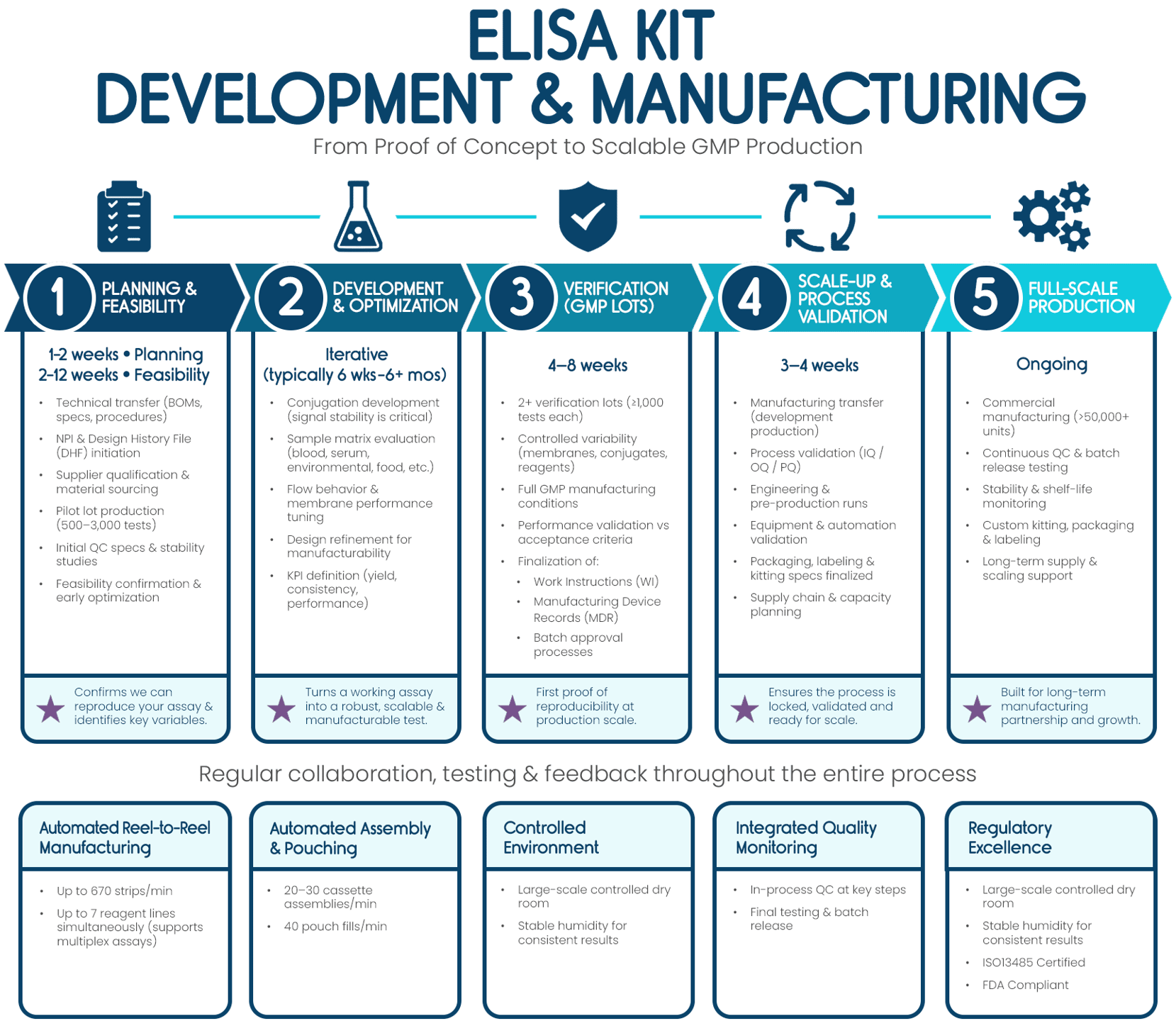
Development begins with defining the target analyte, expected concentration range, and other performance requirements. Customers need to provide a defined concept or an early prototype, which is used to establish design inputs needed to determine whether the assay can meet its intended use under realistic conditions.
Antibody screening and selection are key at this stage. Multiple reagent candidates are evaluated to identify those that provide the required sensitivity and specificity (while also remaining practical in terms of cost and supply). Specificity testing is performed against any potential interfering compounds to confirm that the assay responds only to the intended target within the sample matrix.
Optimization focuses on refining assay conditions to improve detection sensitivity and consistency. Parameters (plate coating methods, conjugation efficiency, and incubation) can all be adjusted alongside sample preparation protocols.
During the validation step, it is confirmed that the assay will perform as intended across multiple runs and material lots. This includes assessing standard curve performance, reproducibility, and stability over time. The goal is to demonstrate that the assay can be produced repeatedly while maintaining the characteristics required for its intended application.
key considerations in
ELISA Development
ELISA development is shaped by factors that are not always visible at the concept stage. The antibodies set the limits of the assay, including how sensitive it can be and the range it can measure. In sandwich formats, identifying combinations that behave consistently under test conditions is a key step in early development.
Sample preparation also affects performance as different matrices require tailored extraction and cleanup. Each step can influence the concentration of the analyte being measured.
Reagent stability is critical to assess before the assay to moves into production. Antibodies, antigens, and conjugates must remain active over time, which depends how they are formulated and stored. Managing these factors during development helps maintain performance in routine workflows.
If you’d like to learn more, please contact us!