 Julia Steinaway
Inconsistent Blood Smear Stains? How Buffer pH Can Make or Break Your Results
Learn how buffer pH affects hematology staining, why blood smears can appear too red or too blue, and how proper pH control improves stain quality.
Blood smear troubleshooting in veterinary hematology depends on the species in front of you. A finding that raises concern in a canine smear may have a different explanation in a cat, reptile, or bird. Some problems begin with collection or slide preparation. Others come from the way cells stain, dry, clump, or overlap under the microscope.
In canine blood smears, red blood cell shape is often one of the first clues. Dogs may show crenation or echinocyte-like changes when blood dries too slowly or when EDTA concentration is affected by an underfilled tube. That can look concerning, but true echinocytosis should be interpreted alongside the animal’s clinical signs and other findings.
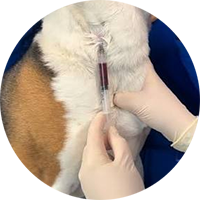 Dogs can also show rouleaux-like stacking. This happens when the smear is made too slowly or when there is a delay before slide preparation. This is where timing matters, as a smear made in-house shortly after collection may tell a different story than one prepared after the sample was shipped or held.
Cats bring a different pattern of difficulty. If you've ever counted platelets on a feline smear, you already know cats don't always like to follow the rules, just like at home! Platelet clumping is common in feline samples, even when collection and smear technique are appropriate. Feline platelets may also appear large enough to be confused with other cells, especially when the smear is crowded or staining quality is poor.
Stain precipitate can complicate both canine and feline review. In dogs, precipitate may resemble basophilic stippling, while overly dark staining can make granulocytes look more suspicious for toxic change. In cats, precipitate can interfere with Heinz body review as the Heinz bodies already have a distinct appearance on the red blood cell. Clean, consistent staining gives the reviewer a clearer field and reduces the chance that stain behavior becomes part of the problem.
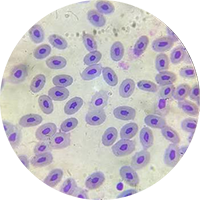 Reptile and avian smears are more difficult because their red blood cells are nucleated. In reptiles, this can make it harder to separate red blood cells from lymphocytes, especially when staining is light or granule detail is inconsistent. Reptile white blood cells may also be fragile, so smudge cells can appear even when the slide was prepared carefully.
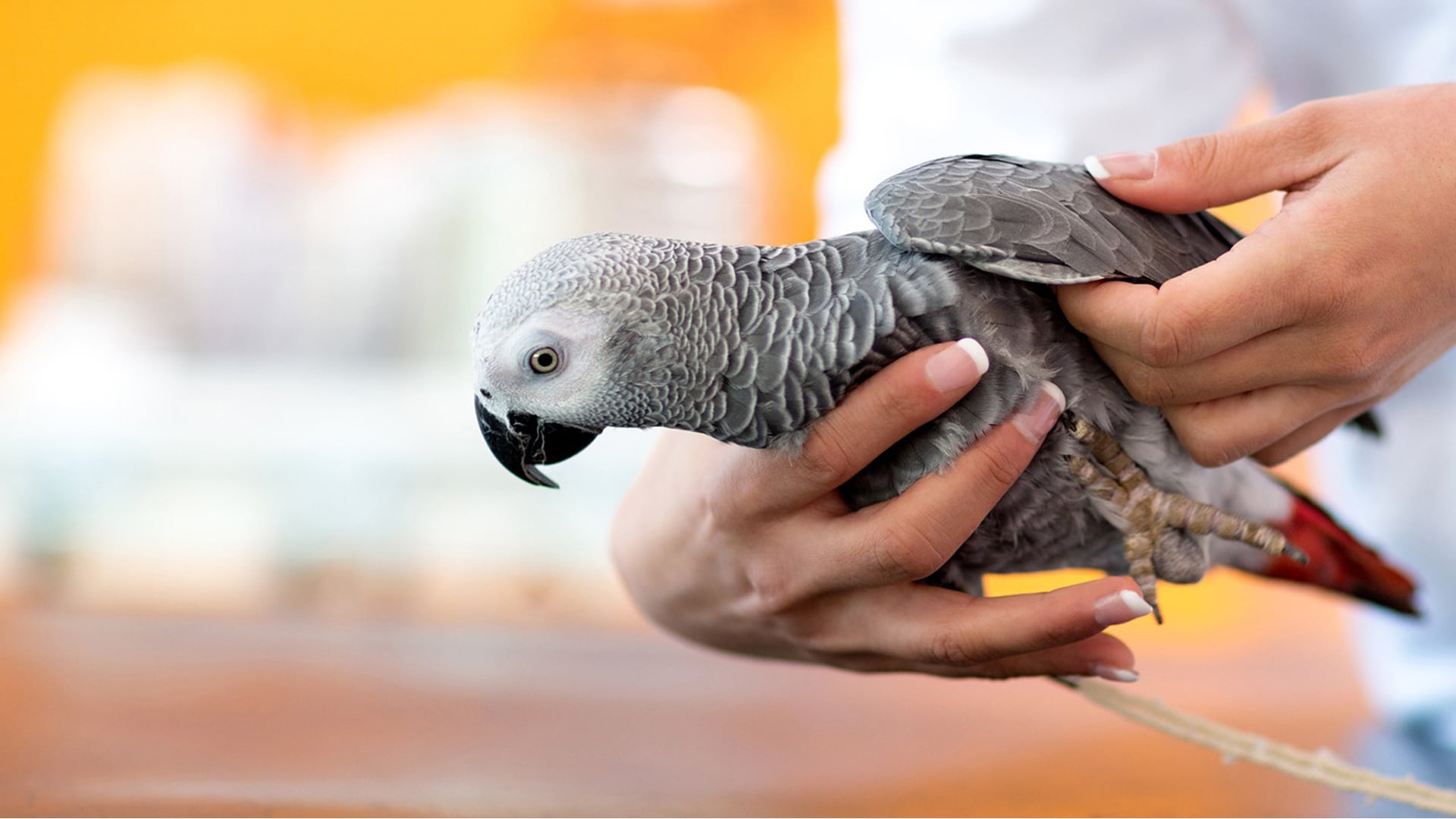
Birds add another layer of specialization. Their smears contain nucleated red blood cells, thrombocytes, and heterophils rather than mammalian-style platelets and neutrophils. These differences make automation harder to rely on and place more weight on trained manual review. A reviewer who is comfortable with canine and feline smears may still need additional experience before interpreting avian differentials with confidence.
Ethos Biosciences supports veterinary hematology workflows with stains and reagents designed to help laboratories produce clear, consistent smear results. Some blood smears are straightforward. Others... seem to have a little more personality, just like our pets' personalities! Wright-based stains and Quick III rapid stains can support routine blood smear review, while Phloxine B and Natt-Herrick’s Solution may be useful in specialized avian workflows where manual cell identification plays a larger role. If your laboratory is having issues troubleshooting, contact Ethos Biosciences and have our team review your current processes.

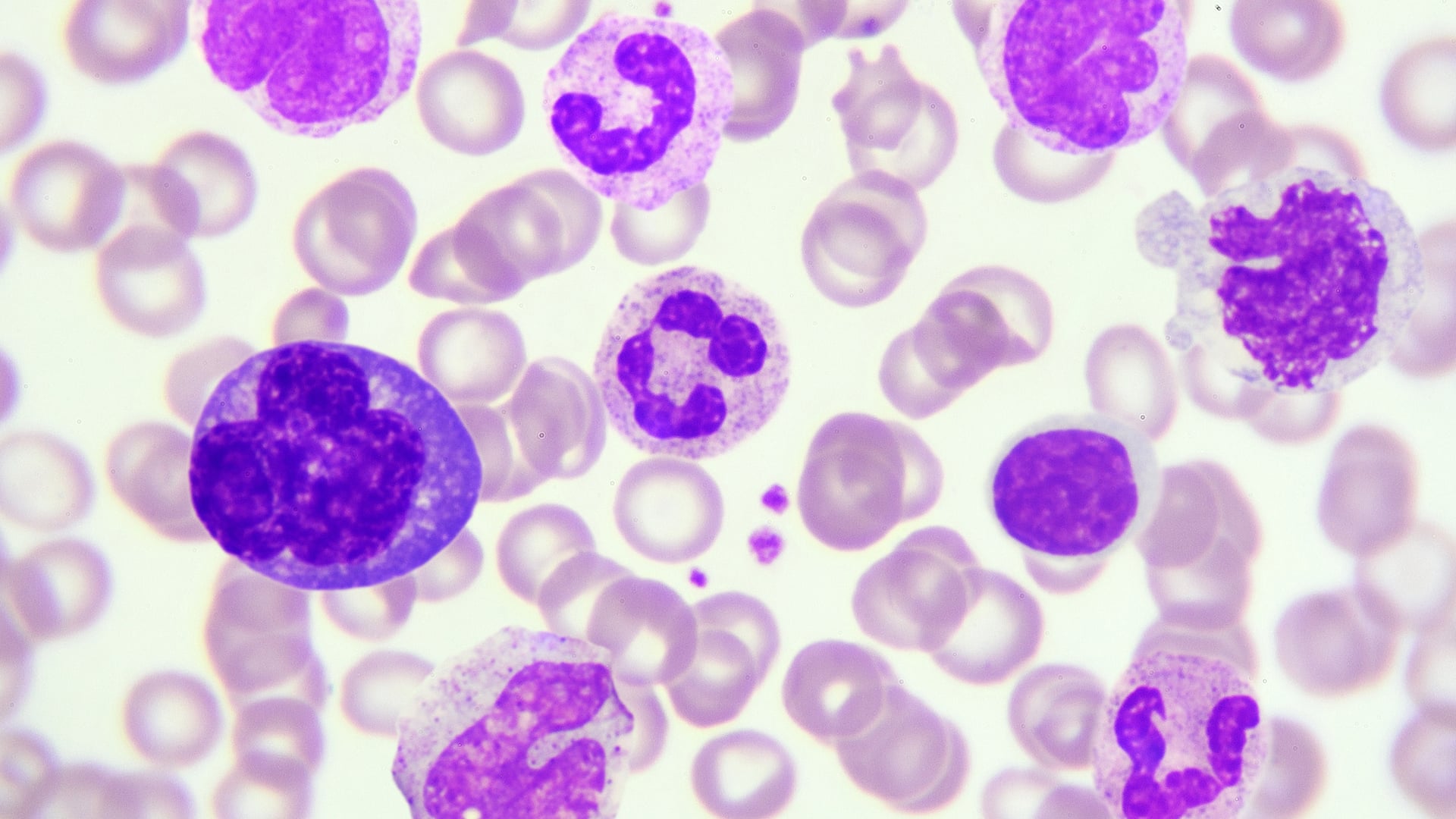
Learn how buffer pH affects hematology staining, why blood smears can appear too red or too blue, and how proper pH control improves stain quality.
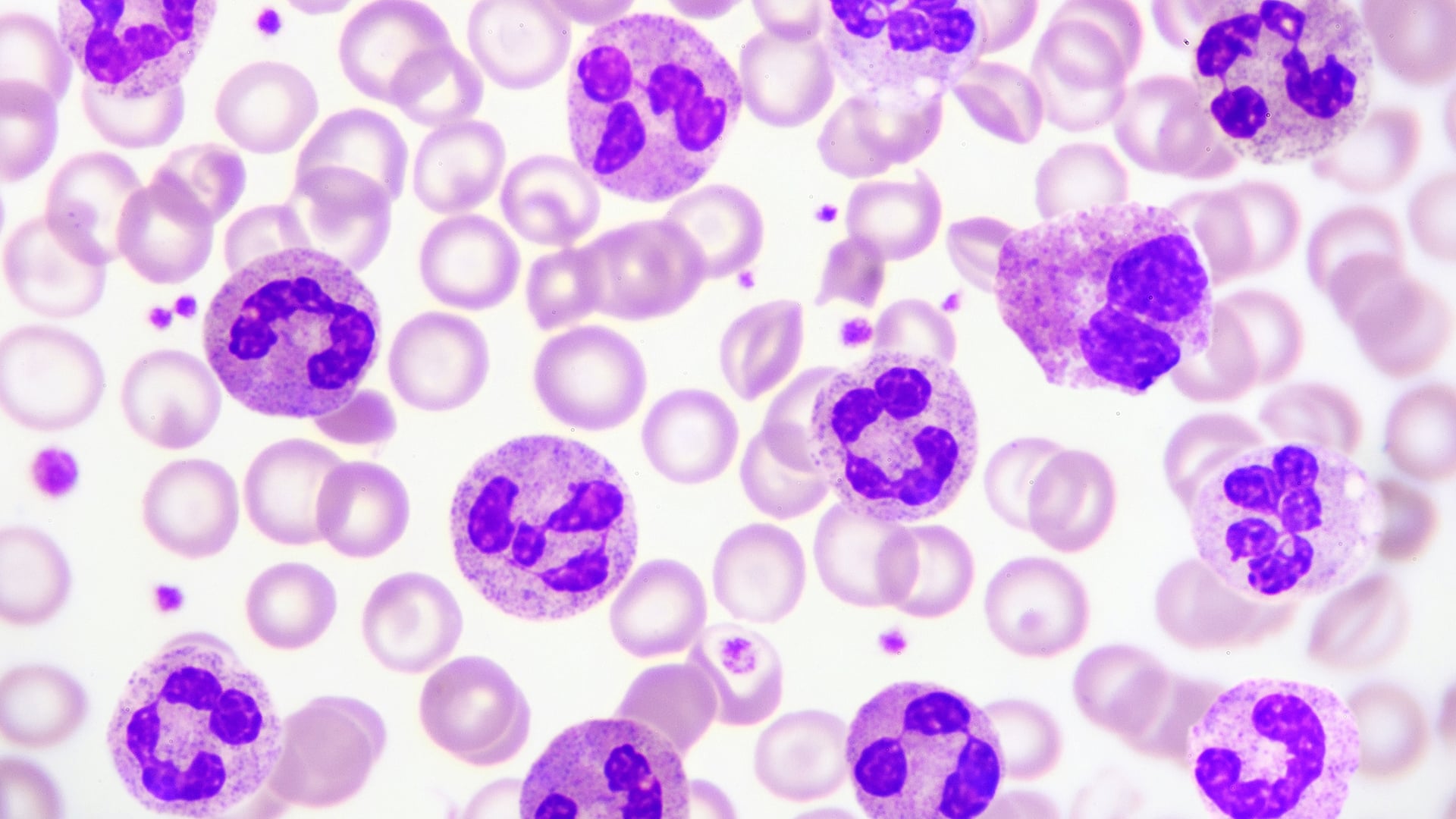
Discover what causes buffer pH drift in hematology staining and how water quality, evaporation, storage, and contamination affect blood smear results.
Learn how stain selection improves avian blood differential accuracy by helping distinguish nucleated blood cells for clearer, more reliable...