1 min read
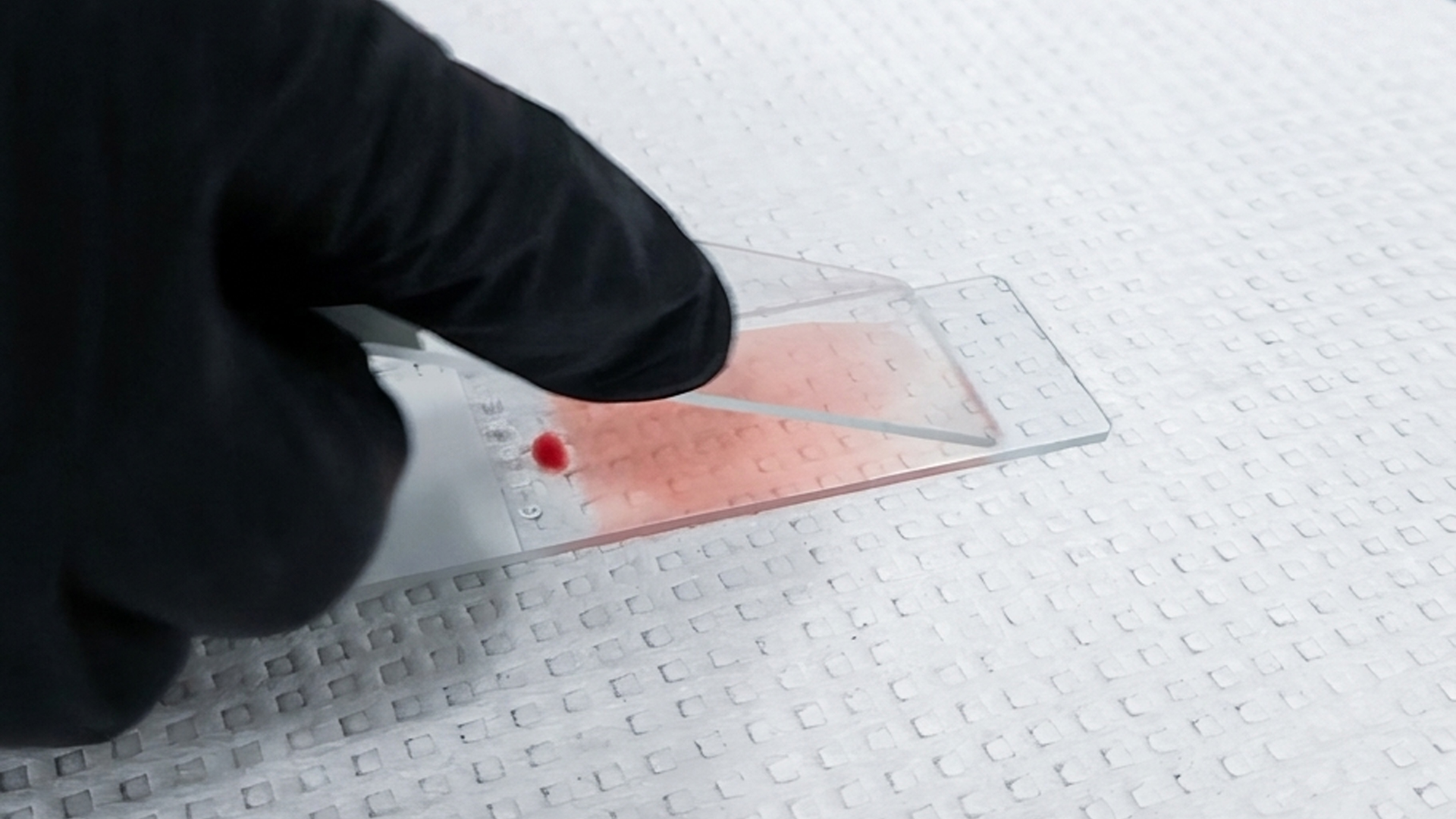
How to Achieve Reliable Blood Smear Staining in Seconds with Quick III™
In hematology labs, accuracy and efficiency are critical. When processing blood smears, professionals need a staining solution that delivers...
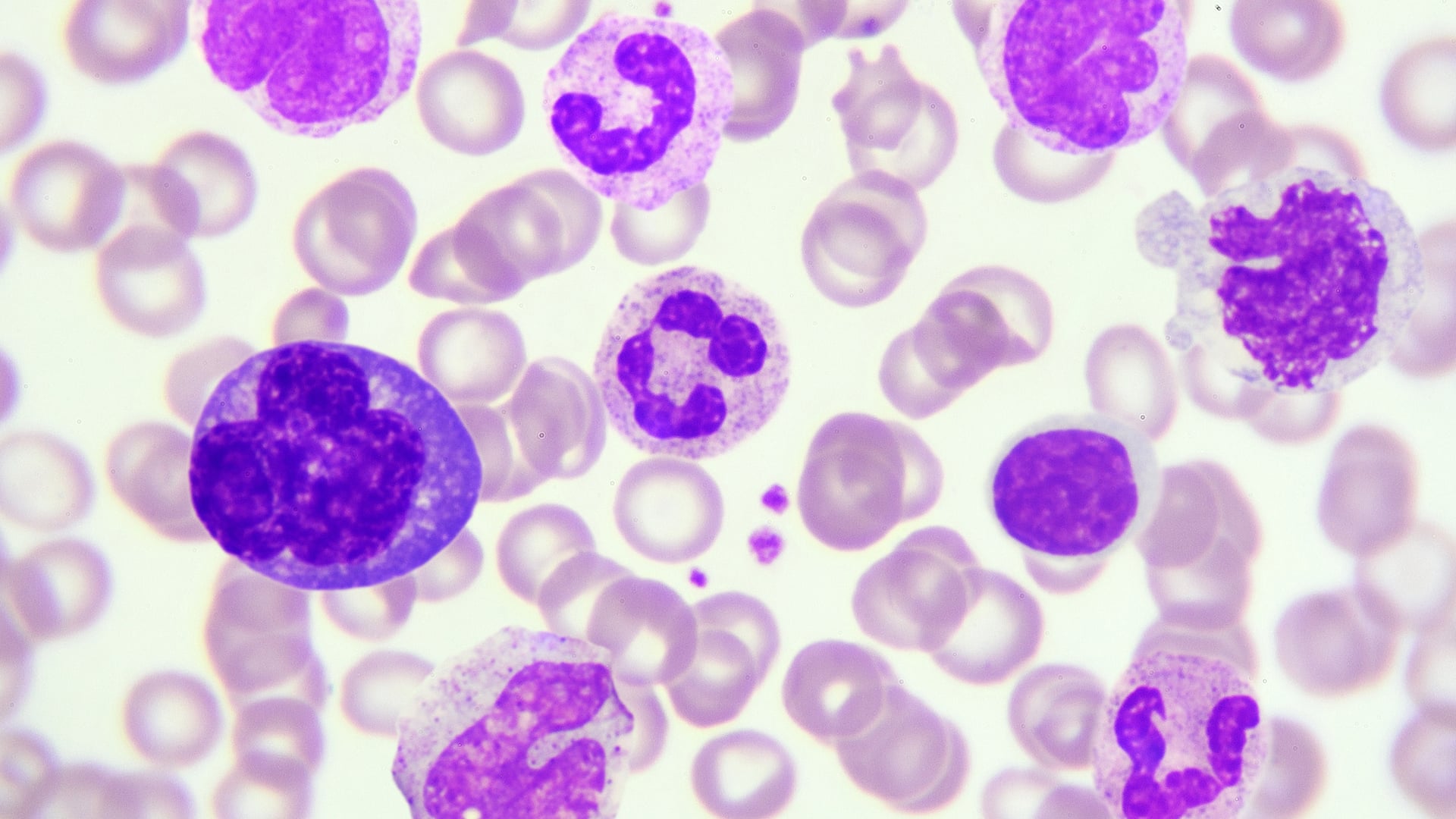
For decades, synthetic dyes have dominated scientific industries. However, a growing awareness of the environmental impact and potential health hazards associated with these artificial dyes/pigments is fueling a resurgence of interest in natural dyes. The global market for natural dyes is showing a growth rate of 11% in 2024 (Arizton, 2021). Among these, logwood, derived from the Haematoxylum campechianum L. tree, stands out for its rich history, vibrant colors, and crucial role in histology.
Native to Central America, the Logwood tree holds a significant place in dyeing history. Its heartwood contains haematoxylin, a compound that, when oxidized, yields haematein, the active coloring agent. Logwood’s rise to prominence began in the 17th century, becoming a highly sought-after commodity in Europe for dyeing textiles, especially for dark shades. Beyond textiles, logwood has found a vital application in histology. When combined with a mordant, typically aluminum salts, hematoxylin stains cell nuclei a characteristic blue-purple color. This technique is most utilized in Hematoxylin and Eosin (H&E) staining.
Hematoxylin’s significance in scientific staining cannot be overstated. Its ability to selectively stain nuclear components makes it an indispensable tool for:
Despite its long history, hematoxylin continues to be a vital tool in modern science. Interestingly, the base technique remains unchanged since its inception, demonstrating how robust the staining process is. What has changed, however, is how we interpret the staining information.
Hematoxylin, with its rich history and enduring relevance, stands as a testament to the power of simple yet effective scientific tools. From its origins in the heartwood of a tropical tree to its indispensable role in modern diagnostics and research, hematoxylin continues to shape our understanding of the microscopic world.
Arizton. (2021). Natural dyes market – global outlook and forecast 2019–2024. Retrieved 9/20 from https://www.researchandmarkets.com/research/zdhzms/the_global_market?w=4
Kobayashi, S, Saltz, JH, & Yang, VW. (2021). State of machine and deep learning in histopathological applications in digestive diseases. World J Gastroenterol, 27(20), 2545-2575. https://doi.org/10.3748/wjg.v27.i20.2545
Litjens, G, Sanchez, CI, Timofeeva, N, et al. (2016). Deep learning as a tool for increased accuracy and efficiency of histopathological diagnosis. Sci Rep, 6, 26286. https://doi.org/10.1038/srep26286
Sims-Lucas, S. (2012). Analysis of 3d branching pattern: Hematoxylin and eosin method. Methods Mol Biol, 886, 73-86. https://doi.org/10.1007/978-1-61779-851-1_7
Xiao, QE, Chung, PC, Tsai, HW, et al. (2019). Hematoxylin and eosin (h&e) stained liver portal area segmentation using multi-scale receptive field convolutional neural network. IEEE Journal on Emerging and Selected Topics in Circuits and Systems, 9(4), 623-634. https://doi.org/10.1109/JETCAS.2019.2952063
Need more help? View our Resources page or contact our Technical Experts with any of your questions at: Info@ethosbiosciences.com or 1.800.441.0366. We’re always happy to help you!
1 min read
In hematology labs, accuracy and efficiency are critical. When processing blood smears, professionals need a staining solution that delivers...
1 min read
In the realm of reproductive biology, assessing sperm vitality is a cornerstone of fertility testing. The eosin-nigrosin staining technique stands...
1 min read
In histology and pathology, precision is everything. The quality of tissue processing—especiallyinfiltration and sectioning—directly impacts...