The Science Behind Sperm Vitality: Mastering the Eosin-Nigrosin Staining Technique

This blog post offers scientists and technical users a guide to this procedure, exploring its history, mechanism, applications, and practical tips...
1 min read
Rich Quashne
:
Published
Updated
In histology and pathology, precision is everything. The quality of tissue processing—especially
infiltration and sectioning—directly impacts diagnostic accuracy. This is why choosing the right
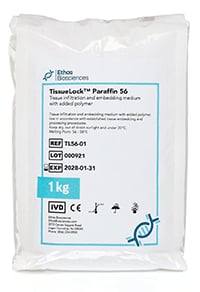
paraffin wax matters. Ethos TissueLock™ Paraffin 56 is designed to deliver superior infiltration and
effortless sectioning for reliable result
Tissue infiltration is the process of saturating specimens with paraffin wax after fixation and
dehydration. This step ensures:
Without proper infiltration, tissue sections can tear, wrinkle, or lose essential diagnostic
details leading to compromised results.
After infiltration, specimens are embedded in paraffin blocks for microtomy. Here’s why superior
sectioning ability matters:
Ethos TissueLock™ Paraffin 56 is engineered for performance and efficiency. Here’s what sets it
apart:
Key Features & Benefits
Infiltration and sectioning are the backbone of histology. Choosing the right paraffin like EthosTissuelock™ Paraffin 56 ensures superior tissue preservation, effortless sectioning, and reliable
results every time.
Ready to optimize your lab workflow? Contact Ethos Biosciences today to learn more about
Tissuelock™ Paraffin 56.
This blog post offers scientists and technical users a guide to this procedure, exploring its history, mechanism, applications, and practical tips...
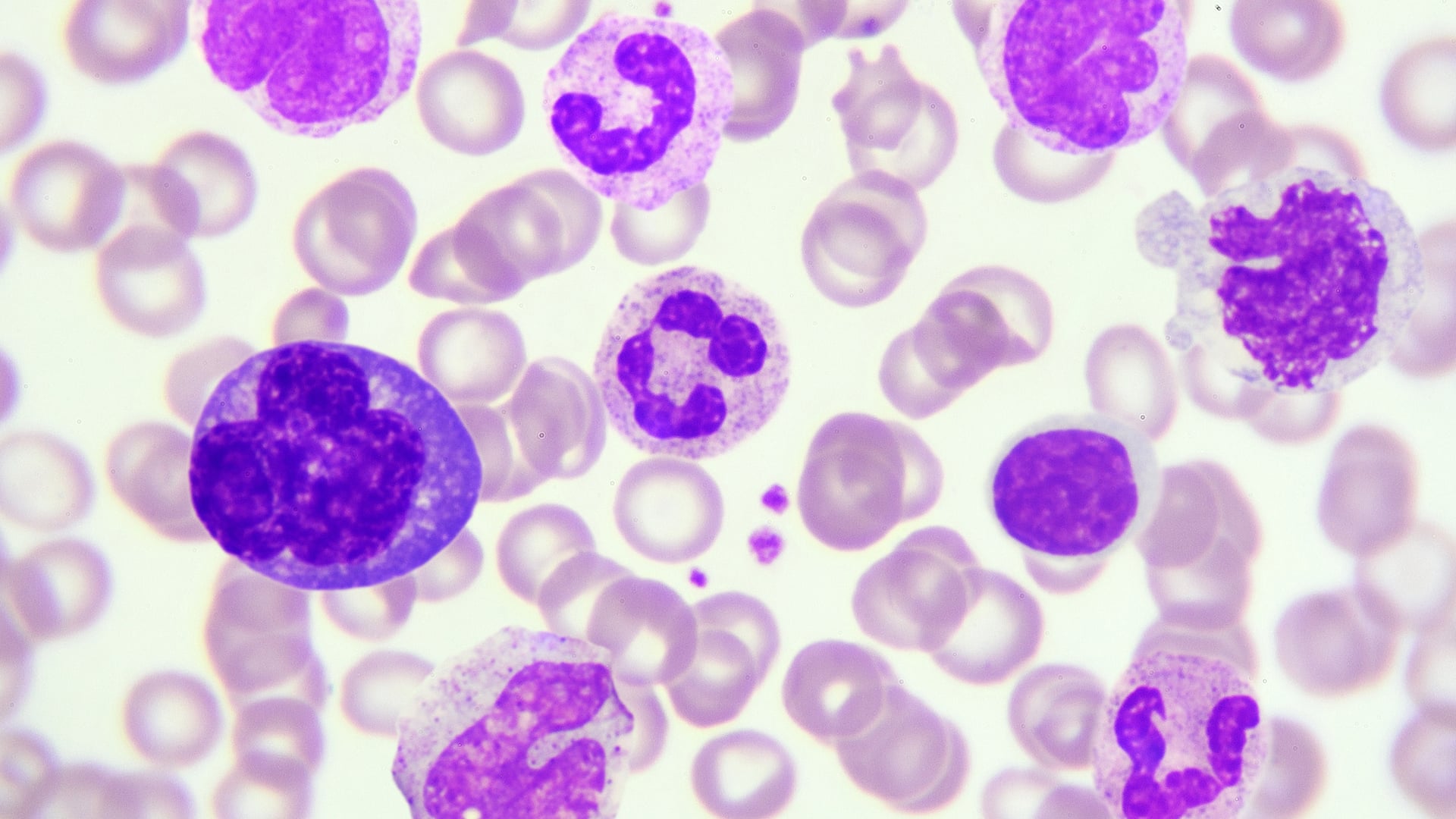
Discover what causes buffer pH drift in hematology staining and how water quality, evaporation, storage, and contamination affect blood smear results.
Learn how buffer pH affects hematology staining, why blood smears can appear too red or too blue, and how proper pH control improves stain quality.