Flagged or Flawed? How to Troubleshoot Inconsistent WBC or Platelet Counts (Part 1)
Inconsistent white blood cell (WBC) or platelet counts are rarely due to the analyzer. More often, they trace back to events that occur before the...
2 min read
In Part 1, we explored how pre-analytical variables, like collection methods, anticoagulants, and initial handling, can introduce variability before a sample ever reaches analysis.
But even when those factors are controlled, the clock is already working against you. Because in hematology, time isn’t just money, it’s morphology.
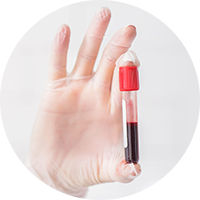 Sample stability is highly sensitive to time, temperature, and handling conditions after collection, and these variables can quietly alter cell morphology and counts if not properly managed.
When a WBC or platelet count comes back inconsistent, the next step is not simply to repeat the test. Reanalysis will likely reproduce the same value, and it does not explain it. Troubleshooting in this context means stepping back and working through the process: looking at how the sample was collected, handled, and prepared to determine whether the result reflects the patient or the condition of the specimen.
Most inconsistencies start during collection and handling. Ethylenediaminetetraacetic acid (EDTA) tubes have to be mixed as soon as possible after filling to keep the sample intact. If inversion is delayed or incomplete, cells begin to separate, and platelets may start to clump before the sample ever reaches the analyzer.
Technique has a direct impact as well; samples have to be fully but gently inverted to allow the anticoagulant to distribute evenly without stressing the sample, and when that step is rushed or skipped, platelets are more likely to clump together. When this happens, smaller clumps can pass through the analyzer without being flagged, which often leads to lower platelet counts, and larger clumps may be interpreted as other cell types, adding variability to the differential.
Overfilled tubes leave less room for proper mixing, while underfilled tubes change the anticoagulant balance, as both conditions affect how the sample behaves.
Analyzer output can provide useful data points, but always requires context. Flags (like hemolysis or clot detection) often point back to handling conditions. However, it does not account for every form of interference.
 Patterns within the data set can help distinguish between any true physiological changes and sample-related issues. If there are any irregular or unexpected cell population splits, the correct prediction would be interference in the sample instead of a true inconsistency in cell count.
Differences between detection methods or channels can also influence how platelet clumping presents in the data. In some cases, alternative measurement approaches may reduce the impact of aggregation, but they do not eliminate the underlying issue within the sample.
At this stage, direct evaluation becomes necessary. A peripheral smear provides a clear view of what is actually present. Platelet clumping may appear across the slide or concentrate at the feathered edge, while fibrin strands or small clots can be identified within the sample, often explaining reduced counts that do not match clinical expectations.
The anticoagulant itself can contribute to these findings. EDTA is effective at preserving cellular structure, but in some samples, it can induce platelet aggregation in vitro. This effect can produce falsely low platelet counts even when all collection and handling steps were done correctly.
Once these changes occur, there is a limit to what can be corrected. While remixing may improve distribution in early stages, any established clumping or degradation of the morphology of the sample cannot be reversed, and, when the sample no longer reflects the patient’s condition, recollection becomes the most reliable course of action.
Maintaining sample stability isn’t just about protocol; it’s about consistency across the entire workflow.
When time, temperature, and handling are controlled, labs can trust that their results reflect true biology, not preventable variability.
At Ethos Biosciences, we build that confidence into every product and every partnership, delivering reagents and technical support designed to help your team produce accurate, reproducible results, every time.


Inconsistent white blood cell (WBC) or platelet counts are rarely due to the analyzer. More often, they trace back to events that occur before the...

Reticulocyte counts and white blood cell differentials can sometimes present a familiar challenge in the hematology lab: analyzer results that do not...

Ethos Biosciences supports laboratories by providing stains and reagents that help clearly visualize and confirm analyzer results during manual...